


Why proactive Oracle database support is critical for performance, security and licence control.
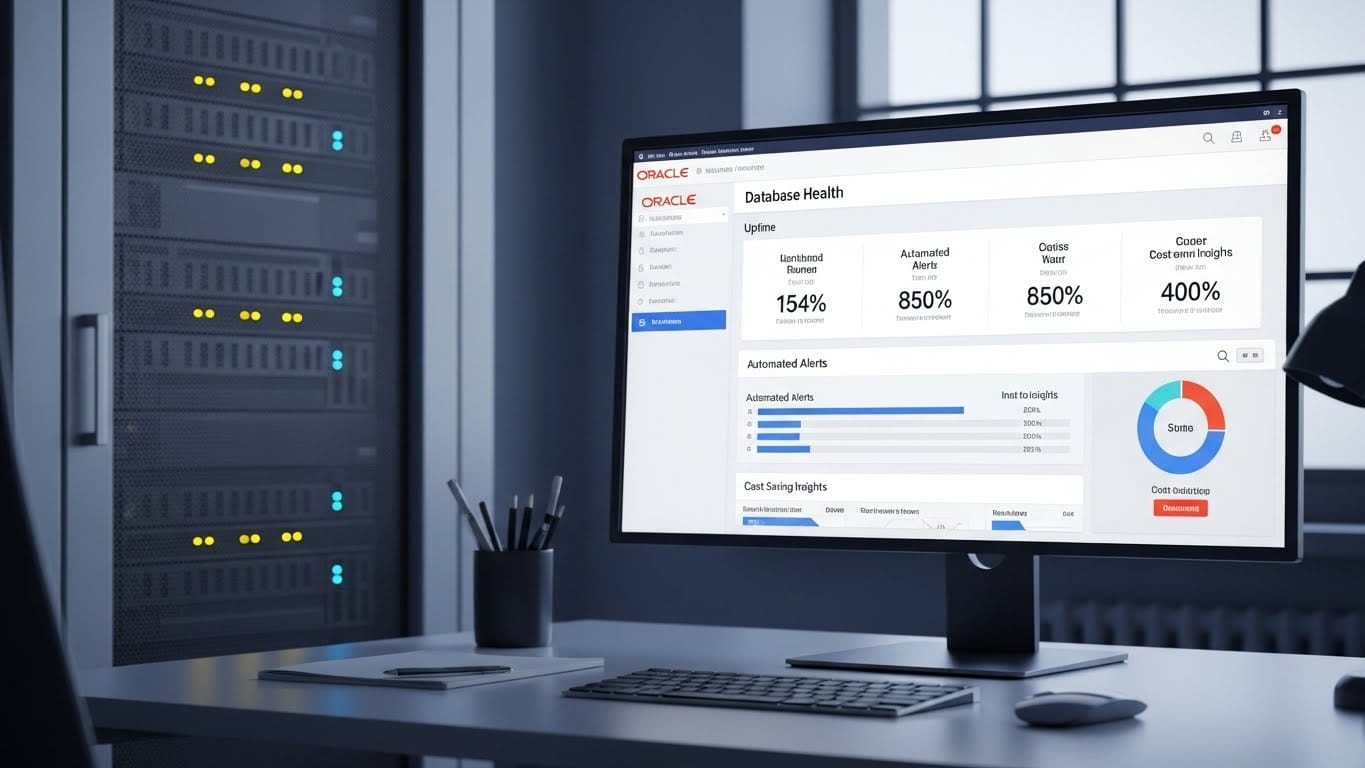
Oracle databases underpin many of today’s most critical business systems, including finance platforms, ERP environments and customer facing applications. When performance declines or systems become unavailable, the impact can be immediate, affecting productivity, revenue and customer confidence.
Despite this, many organisations still rely on reactive support models that address problems only after they occur. This approach increases operational risk, drives up support costs and leaves businesses exposed to security and compliance issues.
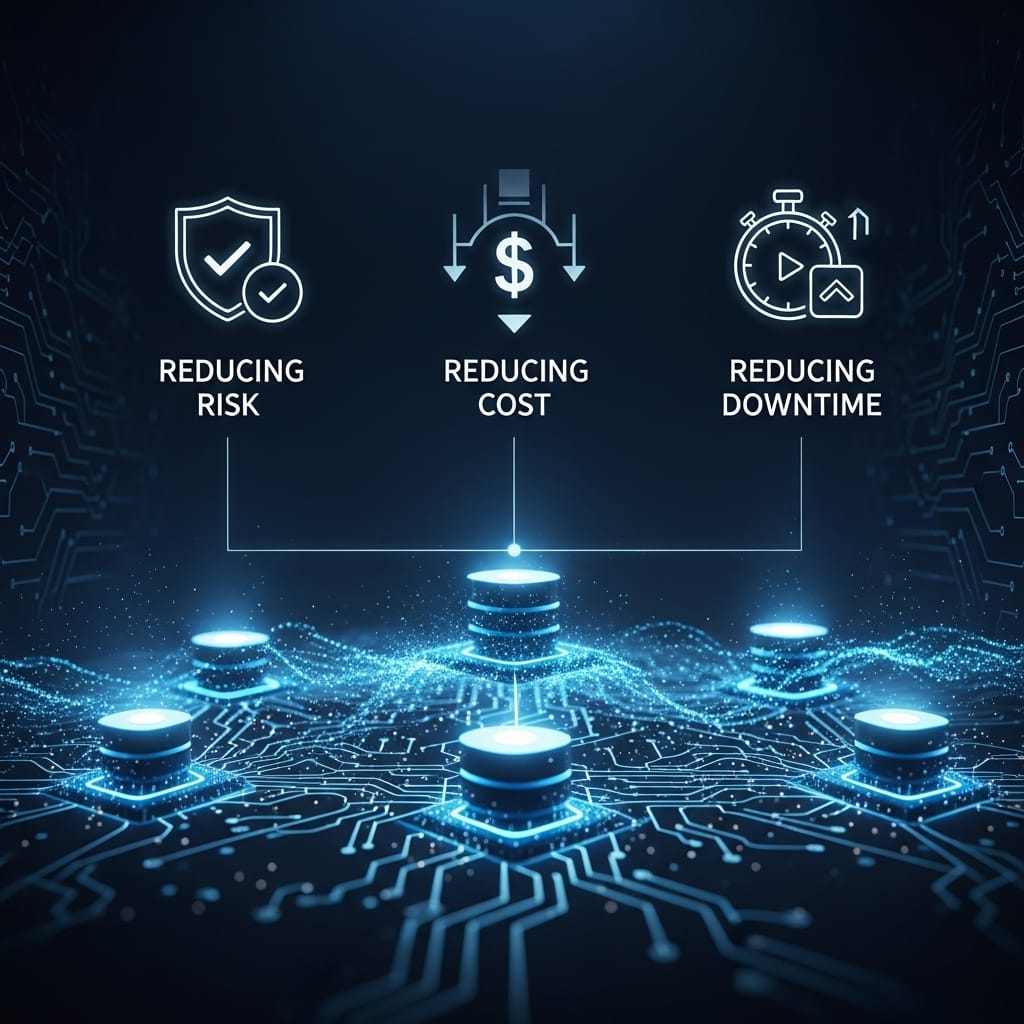
Proactive Oracle database support focuses on prevention, optimisation and continuous oversight. By identifying risks early and maintaining system health, organisations can achieve greater stability, predictable costs and improved long term performance.
Understanding Oracle Database Support
Oracle database support goes beyond fixing issues when something goes wrong. It is a structured, ongoing service that focuses on maintaining performance, stability, security, and compliance across complex database environments. This includes continuous monitoring, proactive performance tuning, patch management, backup verification, and licence usage reviews to reduce operational and financial risk. Rather than reacting to failures, effective Oracle database services aim to prevent problems before they impact critical business systems.
For enterprise organisations, Oracle support services also play a key role in managing change, whether through system upgrades, workload growth, or evolving compliance requirements. With expert oversight, businesses gain greater visibility into database health, improved system resilience, and better control over long term costs, allowing IT teams to focus on strategic initiatives instead of constant firefighting.
Common Oracle Pain Points in Enterprise Environments
As Oracle environments grow in complexity, several recurring challenges emerge that can compromise performance, reliability and compliance if not properly managed.
Performance Degradation Over Time
Database performance rarely deteriorates suddenly. Instead, gradual changes such as data growth, inefficient queries, index fragmentation and shifting workloads slowly reduce responsiveness.
Without regular performance analysis and tuning, these issues accumulate and eventually affect application performance and user experience.
Licence Exposure and Audit Risk
Oracle licensing is highly complex and sensitive to infrastructure changes, virtualisation strategies and cloud migrations. Even small configuration adjustments can unintentionally increase licence requirements.
Without proactive licence monitoring and optimisation, organisations may face unexpected audit findings and unplanned financial exposure.
Security Vulnerabilities from Delayed Patching
Unpatched systems remain vulnerable to known exploits. However, concerns about downtime or application compatibility often delay critical security updates.
This increases the risk of data breaches and regulatory non compliance, particularly for organisations handling sensitive or regulated data.
Capacity and Infrastructure Constraints
As transaction volumes increase, databases may approach storage, memory or processing limits. Without capacity planning, systems can reach performance thresholds without warning, increasing the likelihood of service disruptions.
The Cost Impact of Reactive Versus Proactive Oracle Support
Support models play a significant role in overall IT operating costs and system reliability.
Limitations of Reactive Support
Reactive support strategies typically result in:
- Unplanned outages and emergency response scenarios
- Higher support costs due to urgent interventions
- Extended recovery times and service disruption
- Increased pressure on internal IT teams
- Greater risk of data loss and compliance failures
These events often create ripple effects across business operations, increasing indirect costs such as lost productivity and reputational damage.
Benefits of Proactive Oracle Database Services
Proactive Oracle database services focus on early detection and continuous improvement through:
- Ongoing system health monitoring and alerts
- Routine performance optimisation and tuning
- Planned and tested patch management cycles
- Capacity forecasting and infrastructure planning
- Regular licence usage reviews and optimisation
This structured approach reduces the likelihood of major incidents while allowing IT teams to plan maintenance activities with minimal business disruption.
Monitoring, Optimisation and Patch Management Best Practices
High performing and secure Oracle environments rely on consistent operational discipline across three critical areas.
Continuous Performance Monitoring
Real time monitoring tools track database workloads, response times and resource consumption. This allows support teams to identify abnormal behaviour and performance trends before they escalate into outages.
Monitoring data also supports long term planning by highlighting growth patterns and potential bottlenecks.
Ongoing Database Optimisation
Performance tuning should be continuous rather than reactive. This includes reviewing execution plans, adjusting indexes, optimising queries and balancing workloads across systems.
Regular optimisation ensures that databases remain responsive even as business demands increase.
Structured and Secure Patch Management
Effective patch management balances security requirements with operational stability. Best practice includes testing updates in controlled environments, scheduling deployment windows and verifying application compatibility.
This reduces exposure to vulnerabilities while minimising the risk of service disruption caused by failed updates.
When Third Party Oracle Support Is the Right Choice?
While vendor support provides access to standard updates and documentation, it may not always deliver the level of proactive engagement or tailored guidance that complex enterprise environments require.
Third party Oracle support services are often beneficial when organisations need:
- Specialist expertise beyond internal team capacity
- Faster response times and direct access to engineers
- Proactive system management rather than ticket based support
- Guidance on licence optimisation and compliance
- Cost effective alternatives to escalating vendor contracts
External specialists can work alongside internal teams to provide targeted technical support while reducing the operational burden on in house resources.
How Expert Oracle Support Reduces Downtime and Compliance Risk?
Expert Oracle database support integrates technical monitoring with compliance and risk management processes.
By maintaining continuous oversight, support teams can:
- Identify performance risks before outages occur
- Ensure security patches are applied in a timely manner
- Maintain system configurations aligned with best practices
- Support audit readiness and licence compliance
- Improve recovery times through tested response procedures
This approach significantly reduces the frequency and impact of critical incidents while supporting regulatory obligations and internal governance standards.
Final Words
Reliable and secure database platforms are essential for maintaining business continuity and supporting long term digital transformation. When core systems suffer from instability or unmanaged risk, organisations struggle to scale, innovate, and deliver consistent services.
Oracle database services that combine proactive monitoring, performance optimisation, robust security, and compliance oversight help businesses maintain operational stability while keeping costs under control and reducing the likelihood of unexpected disruptions.
With proactive Oracle support services, organisations gain assurance that their most critical systems are continuously monitored, protected, and improved in line with evolving business demands.
Cyberdan delivers expert Oracle database support designed to minimise downtime, enhance performance, and manage compliance across complex enterprise environments. To evaluate the health and resilience of your Oracle infrastructure, speak with Cyberdan about tailored Oracle database services aligned with your technical requirements and business objectives.
FAQs
How do I know if my Oracle database needs proactive support?
Ongoing slowdowns, delayed patching, frequent maintenance tasks, or uncertainty around licence usage often indicate the need for proactive Oracle database support. Even stable systems can hide growing risks such as storage limits or outdated configurations.
Can Oracle database support help with capacity planning?
Yes, Oracle database services track usage patterns and workload growth, helping organisations plan upgrades and scaling in advance. This prevents rushed decisions that can increase costs and operational risk.
What impact does Oracle support have on regulatory compliance?
Oracle support services help maintain compliance through regular patching, access controls, and reliable backups. These controls also provide stronger audit trails for regulatory reviews.
Is third party Oracle support suitable for complex enterprise environments?
Yes, when delivered by experienced specialists, third party support can offer faster response times, tailored services, and better cost control for complex environments.
How does expert Oracle support reduce business disruption during upgrades?
Experts plan and test changes before deployment, using rollback options where needed. This reduces downtime and ensures upgrades fit around business operations.


